

The Role of Luck in Casino Games
Luck is an integral component of casino games, serving as a significant factor influencing the outcomes of most betting scenarios. Unlike strategy-based games, where skill and experience play a substantial role, many casino games, such as slot machines and roulette, rely heavily on chance, including options available at online casino new zealand , which can significantly alter their gaming experience. In these scenarios, players may encounter streaks of good fortune or misfortune, which can significantly alter their gaming experience. Understanding this reliance on luck is crucial for players who wish to navigate the unpredictable nature of casino gambling.
While some might argue that certain games allow for strategic play, the fact remains that the outcome is often predetermined by random number generators or roulette wheel physics. For example, when spinning a slot machine, players are essentially putting their faith in a random outcome that can change within milliseconds. This aspect of gambling emphasizes that no matter one’s strategy or knowledge of the game, luck ultimately plays a pivotal role in determining wins and losses.
This reliance on luck can lead to both exhilarating highs and devastating lows. Winners often experience a rush of excitement when they hit a jackpot, while losers may feel the pang of disappointment when luck does not favor them. This emotional rollercoaster is a significant reason why many individuals are drawn to casino gambling; the thrill of chance can create unforgettable memories, regardless of the final outcome.
The Psychology of Luck in Gambling
The psychological impact of luck is notable among gamblers, as belief in luck can influence a player’s behavior and decision-making in a casino setting. Many individuals carry superstitions or rituals they believe will help them attract luck, such as wearing lucky clothing or performing specific actions before placing their bets. This mindset underscores the importance of luck as it shapes the way players approach their gambling experience. Such psychological factors can lead to heightened excitement but can also contribute to poor decision-making if players allow their beliefs to cloud their judgment.
Moreover, the concept of luck can foster a sense of community among players. Sharing stories of lucky wins or superstitious practices can create bonds between strangers in a casino, enhancing the overall experience. The communal aspect of luck should not be overlooked, as it can generate camaraderie and shared excitement among players, even those who have never met before. This social dynamic adds another layer to the allure of casinos and highlights how luck can forge connections.
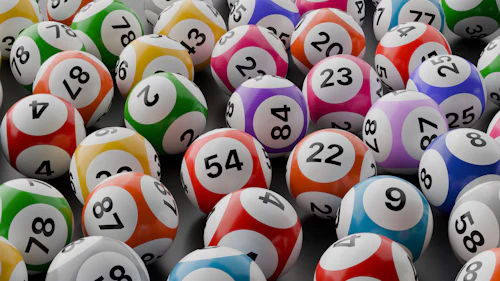
However, reliance on luck can also lead to detrimental gambling habits. Players who continuously chase after their luck or believe they are “due” for a win may end up making risky bets or gambling beyond their means. This phenomenon illustrates the double-edged sword of luck in gambling; while it can introduce an element of fun and excitement, it can also lead individuals down a troubling path if not managed properly. Understanding the psychological aspects of luck can help players approach gambling more responsibly and with a healthier mindset.
Strategies to Cope with Luck in Gambling
Given the unpredictable nature of luck in casino gambling, players can benefit from developing strategies that help them cope with its inherent uncertainty. One approach is setting clear limits on time and money spent in the casino. By establishing a budget beforehand, players can mitigate potential losses and protect themselves from the emotional upheaval that often accompanies luck. This financial discipline is a critical component of responsible gambling and can help players enjoy their experience without falling prey to excessive risk-taking.
Another effective strategy is to focus on the enjoyment of the game rather than solely on winning. By shifting the mindset from being outcome-oriented to experiencing the game itself, players can savor each moment without the pressure of luck driving their decisions. This attitude can lead to a more positive overall experience, as players can appreciate the social interaction and entertainment value of gambling without becoming overly fixated on the results.
Additionally, it can be beneficial to engage in self-reflection after gambling sessions. Analyzing what went well or poorly can provide insights that help players adjust their future approach. For instance, reflecting on the role that luck played in specific outcomes can foster a greater understanding of the game’s nature, allowing players to develop more effective strategies over time. By recognizing the limits of luck and focusing on their personal gaming experience, players can navigate casinos with a greater sense of control.
The Impact of Luck-Related Myths on Gambling Behavior
The myths surrounding luck and gambling often have a profound effect on player behavior within casinos. Many gamblers cultivate beliefs based on anecdotal evidence, such as the idea that a machine is “hot” after a series of payouts or that a bad streak will inevitably be followed by a winning one. Such misconceptions can lead players to make ill-informed decisions, resulting in unnecessary losses when they chase after imagined patterns of luck. Understanding these myths and their impact is essential for players who want to approach gambling with a rational mindset.

Furthermore, the influence of luck-related myths can shape how casinos market their games. By promoting the idea of luck and chance, casinos can create an enticing atmosphere that draws in players eager to gamble. This marketing strategy capitalizes on the allure of winning and the excitement associated with risk, making it crucial for players to remain vigilant and discerning about the realities of luck in gambling.
Ultimately, the myths surrounding luck can also foster unhealthy gambling habits, as players may develop a false sense of confidence based on flawed beliefs. By breaking down these myths and recognizing the nature of luck, players can make more informed decisions and engage in gambling activities with a clearer understanding of what drives success in the casino environment. This critical perspective can help enhance their overall gaming experience and support responsible gambling practices.
Finding Balance in the Luck-Driven World of Gambling
In the complex landscape of casino gambling, finding a balance between luck and strategy is crucial for a fulfilling experience. Players should recognize that while luck can influence outcomes, their choices and strategies also play an essential role in shaping their overall enjoyment. Understanding this duality can help players approach their time in the casino with a clearer perspective, allowing them to appreciate the spontaneous nature of luck while remaining grounded in the realities of gaming.
Moreover, acknowledging that luck is not a reliable source of income can help players manage their expectations. By understanding that losses are just as likely as wins, players can avoid the dangerous mentality of chasing losses or expecting a consistent payout. This balanced perspective fosters a healthier relationship with gambling, where the enjoyment of the game takes precedence over the pursuit of financial gain.
Ultimately, fostering a healthy relationship with luck and gambling allows players to partake in the excitement of casinos while safeguarding against the pitfalls associated with excessive gambling. By embracing the unpredictable nature of luck and combining it with sound strategies, players can cultivate a more enriching and responsible gaming experience.